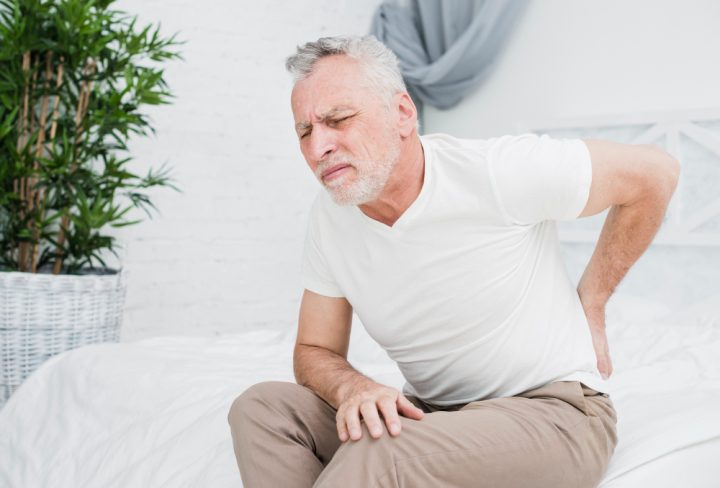
Introduction to Hip Pain
Hip pain is a common problem that affects people of all ages. It can make walking, sitting, or even sleeping difficult. Because the hip joint is one of the largest in the body, pain here can limit daily activities. In this blog, you will learn about hip pain, its causes, symptoms, diagnosis, and treatment options. You will also find tips to manage and prevent hip pain. If you live in a busy city or a rural area, hip pain can affect your quality of life.
Common Causes of Hip Pain
Many conditions can lead to hip pain. Sometimes, the pain comes from the hip joint itself. Other times, it may start in nearby muscles or nerves. Here are some common causes:
Sometimes, hip pain may also be caused by infections or bone diseases. However, these are less common.
Recognizing Symptoms
Hip pain can feel different for each person. For example, some people feel a sharp pain, while others notice a dull ache. Here are some symptoms to watch for:
In some cases, hip pain may get worse with activity. On the other hand, it may improve with rest. If you notice sudden or severe pain, seek medical help right away.
Diagnosis Methods
Doctors use several methods to find the cause of hip pain. First, they will ask about your symptoms and medical history. Next, they will perform a physical exam. During the exam, they may check your hip’s movement and look for swelling or tenderness.
To get a clearer picture, your doctor may order tests such as:
Early diagnosis helps prevent further damage and improves treatment results. According to the CDC, prompt care can reduce long-term problems.
Treatment Options
Treatment for hip pain depends on the cause and severity. Many people find relief with simple steps. However, some may need medical procedures. Here are common treatment options:
Always talk to your doctor before starting any new treatment.
Lifestyle Tips for Managing Hip Pain
Making small changes in your daily routine can help manage hip pain. For example, you can:
Additionally, gentle activities like swimming or cycling can keep your hips flexible without causing pain.
Prevention Strategies
While not all hip pain can be prevented, you can lower your risk with these steps:
By following these tips, you can protect your hips and stay active longer.
When to See a Doctor
Sometimes, hip pain can be a sign of a serious problem. You should see a doctor if you have:
Early treatment can prevent more serious issues. The World Health Organization recommends seeking care if pain limits your daily life.
In summary, hip pain can have many causes and symptoms. With the right diagnosis and treatment, most people find relief. However, if you have ongoing or severe hip pain, do not wait. Consult an orthopedic specialist for personalized advice on managing hip pain.