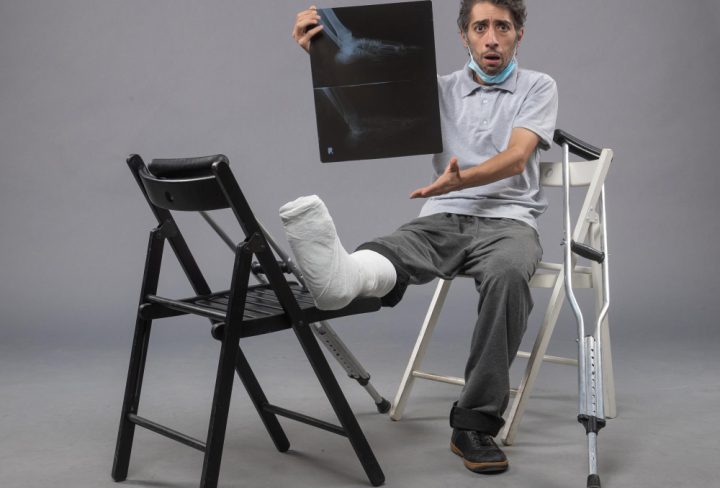
What is ORIF? (Definition and Overview)
When you break a bone, doctors may suggest a treatment called ORIF. ORIF stands for Open Reduction and Internal Fixation. This is a type of orthopedic surgery. It helps put broken bones back in place and keeps them steady while they heal. During ORIF, doctors use metal plates, screws, or rods to hold the bone together. As a result, the bone can heal in the right position. ORIF is often used when a fracture is severe or the bone pieces are out of line.
Common Types of Fractures Treated with ORIF
Not all fractures need surgery. However, some breaks are too complex for a cast alone. ORIF is usually needed for:
For example, hip fractures in older adults often need ORIF. In many cases, this surgery helps restore motion and strength faster.
Symptoms and Diagnosis of Fractures
After an injury, you may wonder if you have a fracture. Common signs include:
If you notice these symptoms, seek medical help right away. Doctors use X-rays or scans to check the bone. Early diagnosis helps start the right fracture recovery plan.
The ORIF Procedure: Step-by-Step
Many people feel nervous about surgery. However, knowing what to expect can help. Here is how ORIF usually works:
Most ORIF surgeries take one to two hours. In many hospitals, you may stay overnight for observation.
Recovery Timeline and What to Expect
After ORIF, recovery is a step-by-step process. Healing times can vary, but here is a general guide:
However, some fractures may take longer to heal. Your doctor will check your progress with X-rays. Following your orthopedic care plan helps speed up the fracture healing process.
Benefits of ORIF in Restoring Motion
ORIF offers many benefits for fracture recovery. Some key advantages include:
According to the World Health Organization, early movement after surgery can prevent joint stiffness. As a result, many patients return to daily activities sooner.
Risks and Possible Complications
Like all surgeries, ORIF has some risks. Most people recover well, but possible problems include:
However, your surgical team takes steps to lower these risks. Always follow your doctor’s advice for the best outcome.
Tips for a Smooth Recovery (Lifestyle and Prevention)
After ORIF surgery, good habits help you heal faster. Try these tips:
In addition, prevent future fractures by staying active, using safety gear, and keeping your home free of tripping hazards.
If you or a loved one has a fracture, remember that ORIF surgery can help restore motion and strength. Consult an orthopedic specialist to learn if ORIF is right for your fracture recovery.